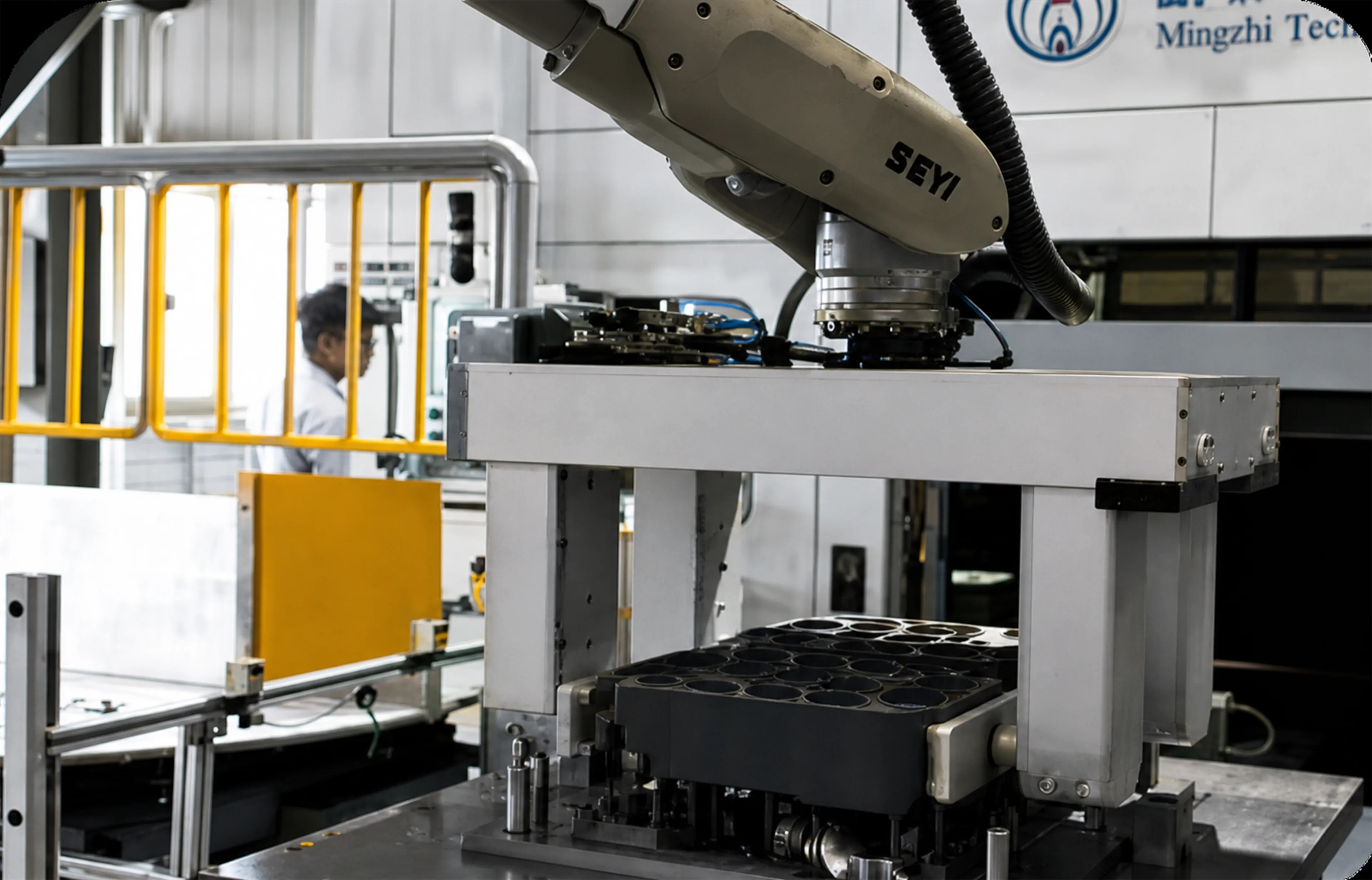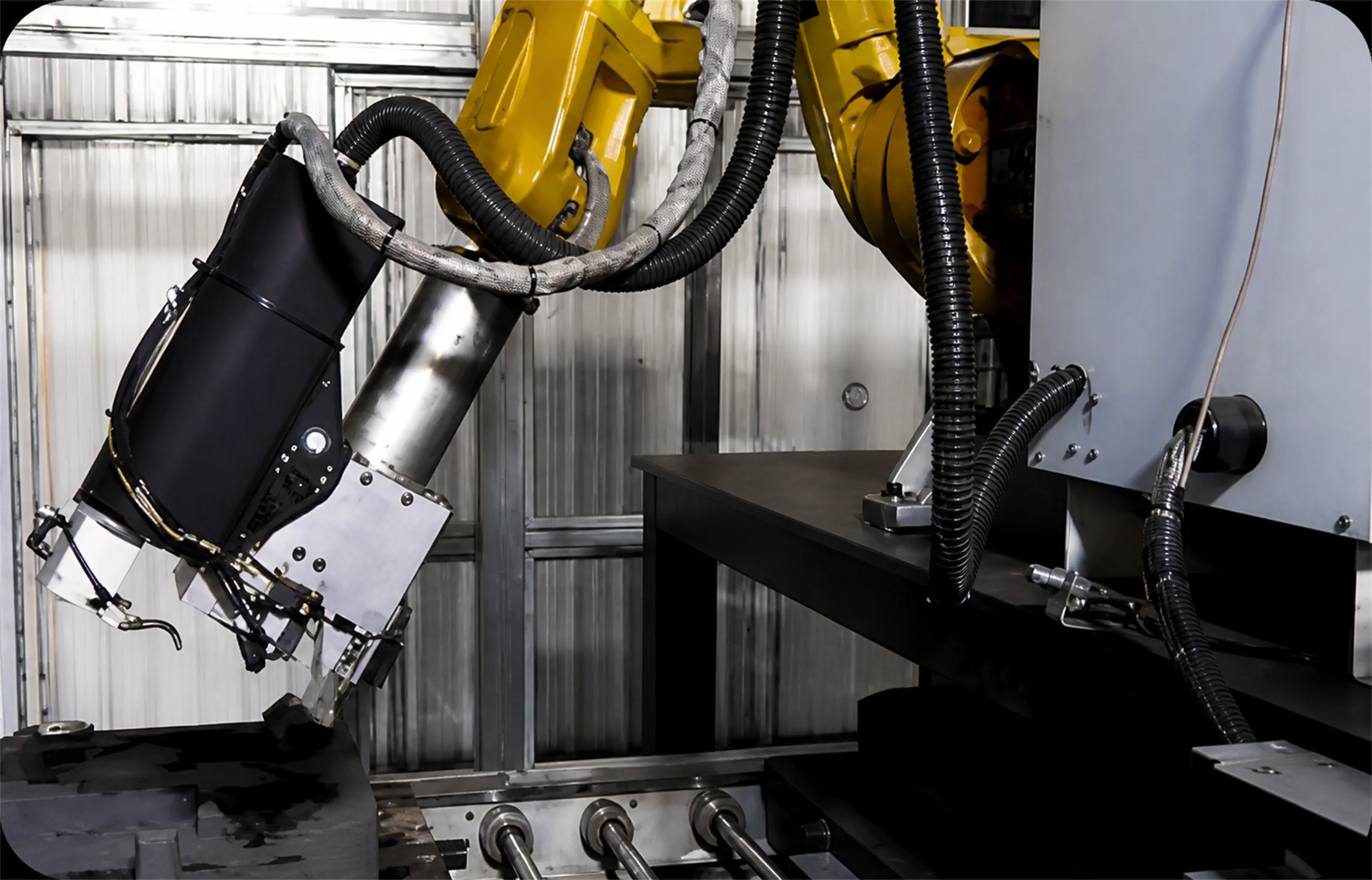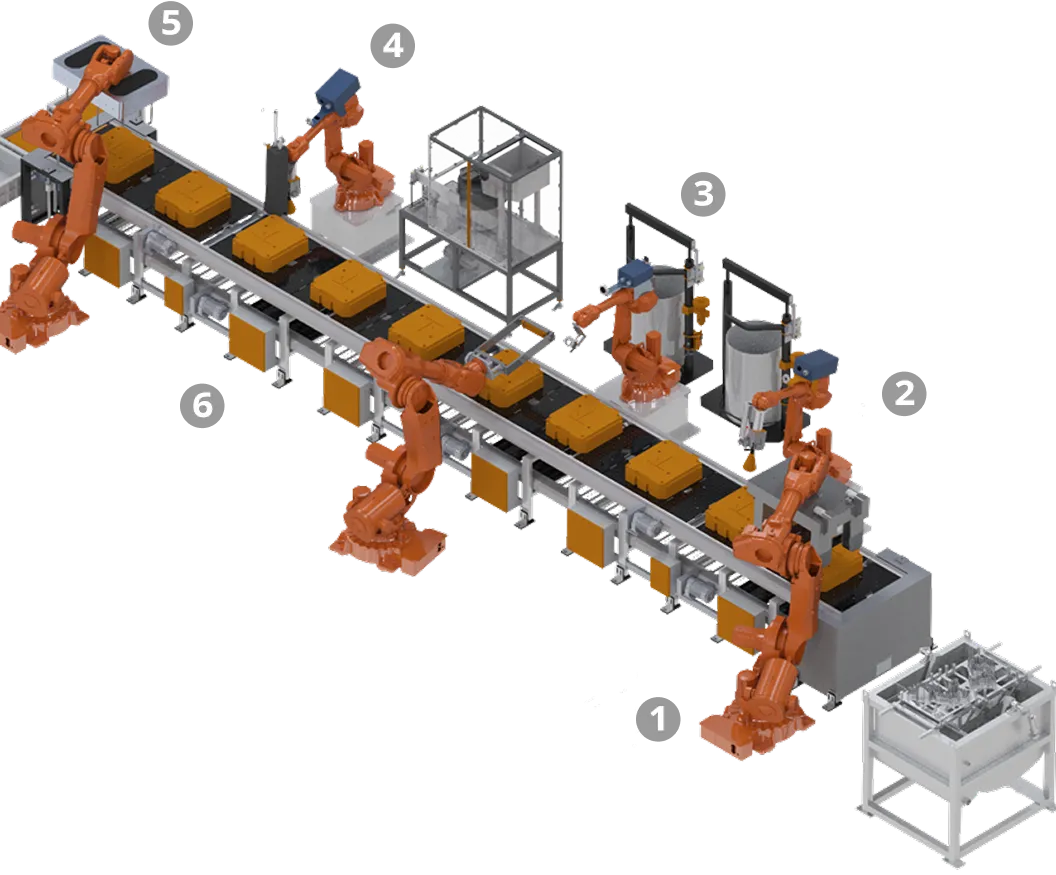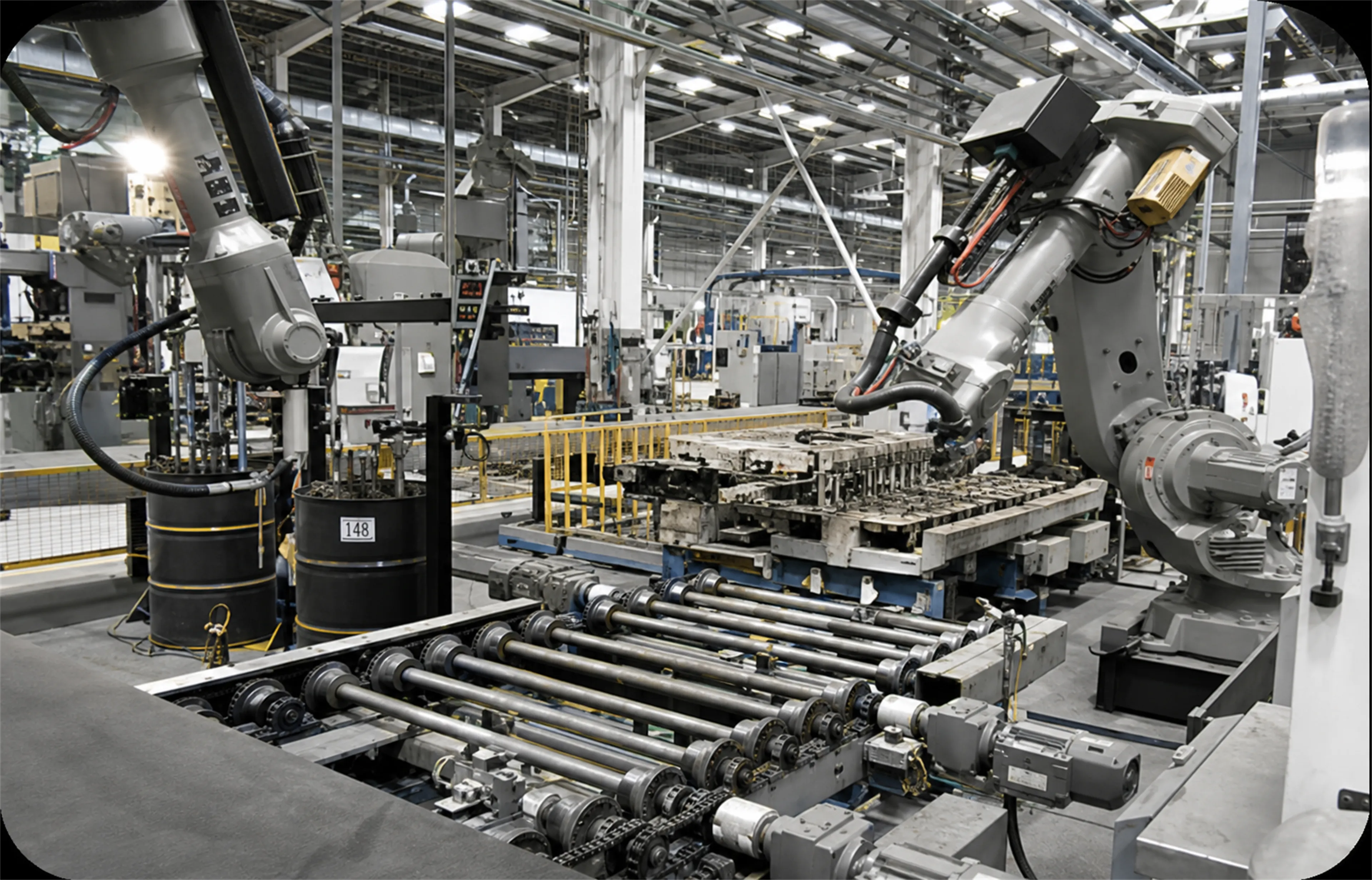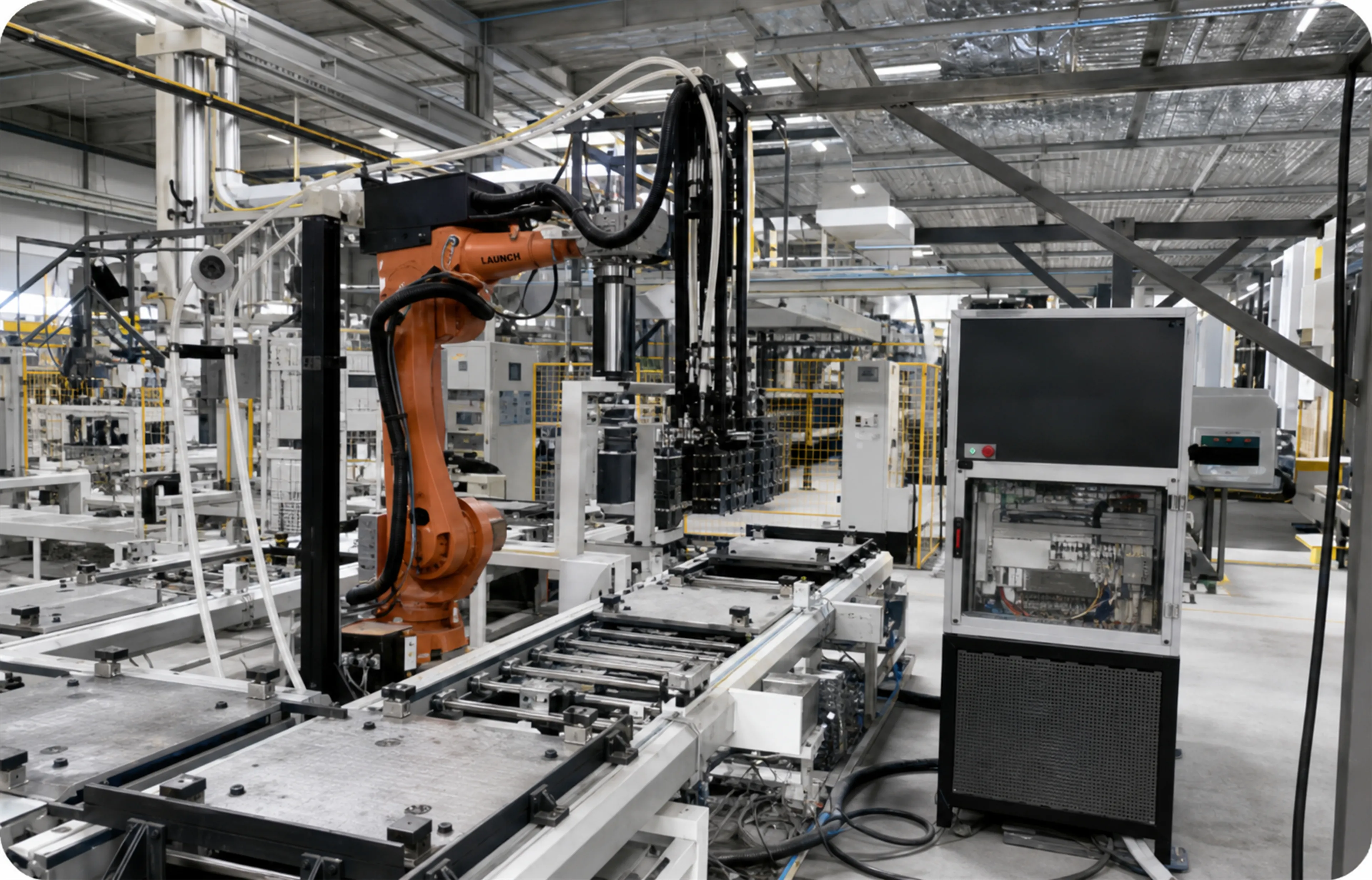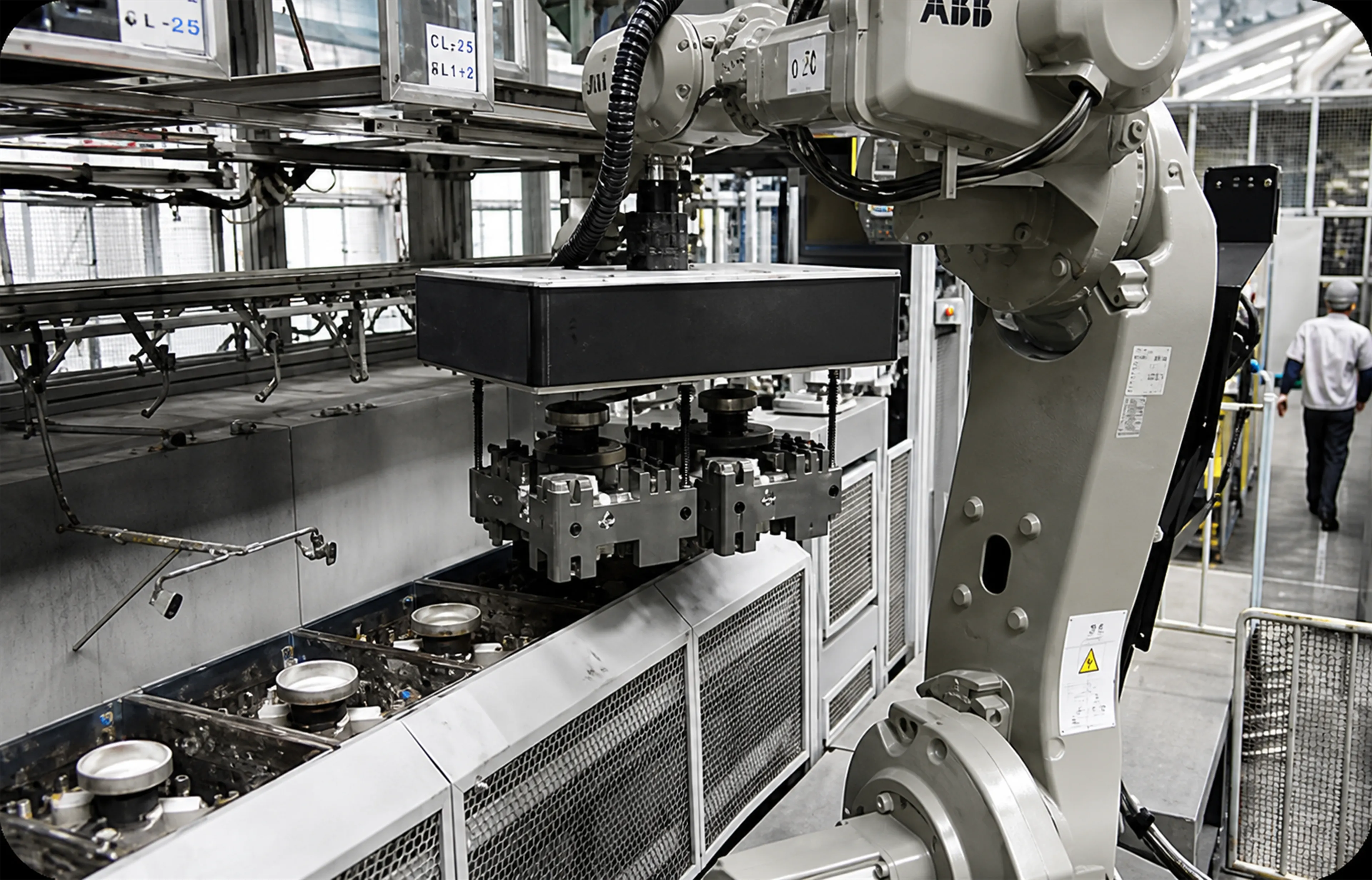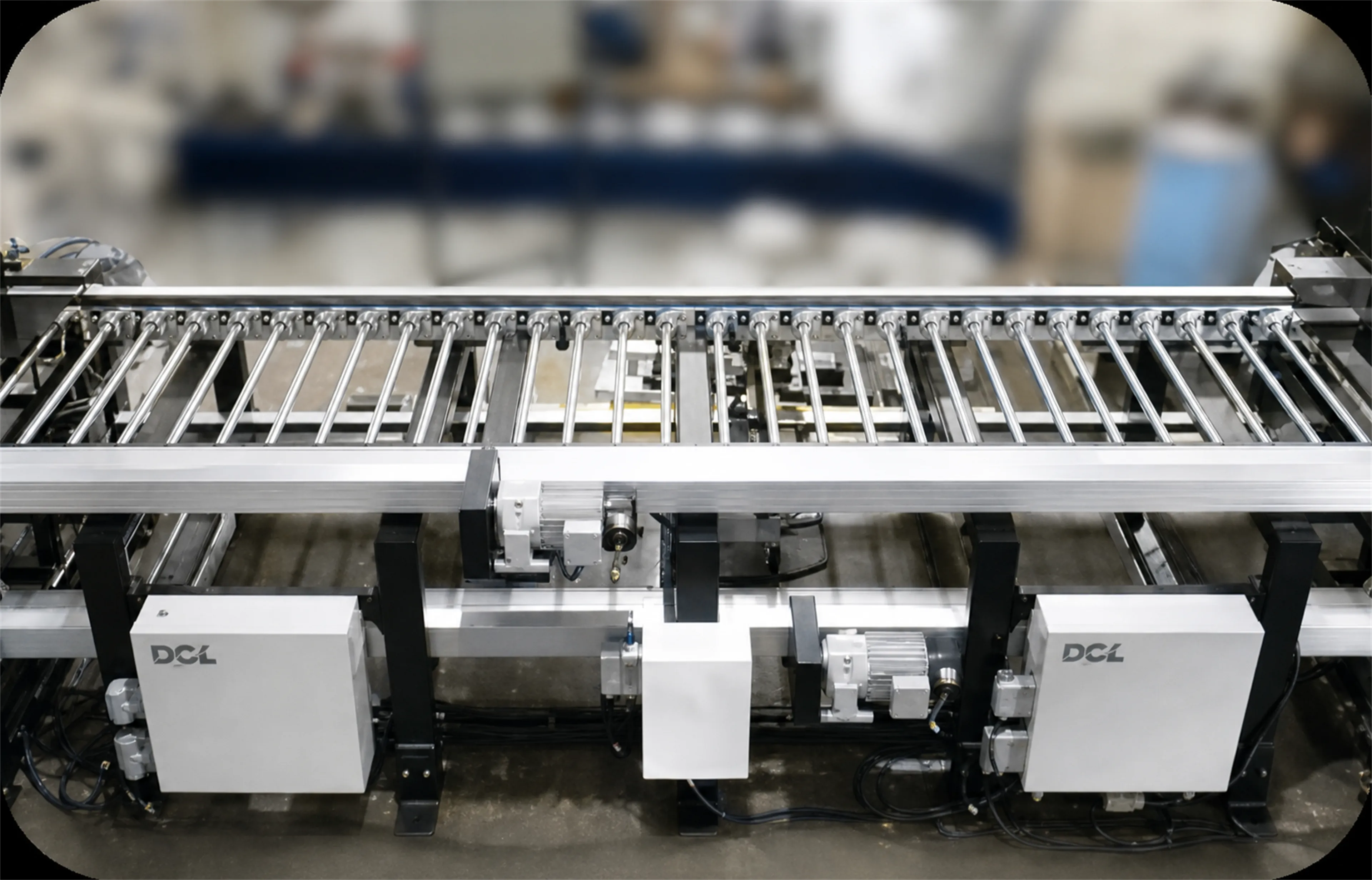
DS focuses on die casting and precision casting automation, combining casting process, robot integration, post-treatment, and smart manufacturing experience to provide comprehensive solutions from molding, part removal and handling, to cutting, deburring, grinding, cleaning, and quality management. Through casting equipment, industrial robots, dedicated fixtures, post-treatment equipment, inspection systems, and DS SmartCore™ smart manufacturing platform integration, we improve production efficiency, process stability, quality traceability, and operational safety.
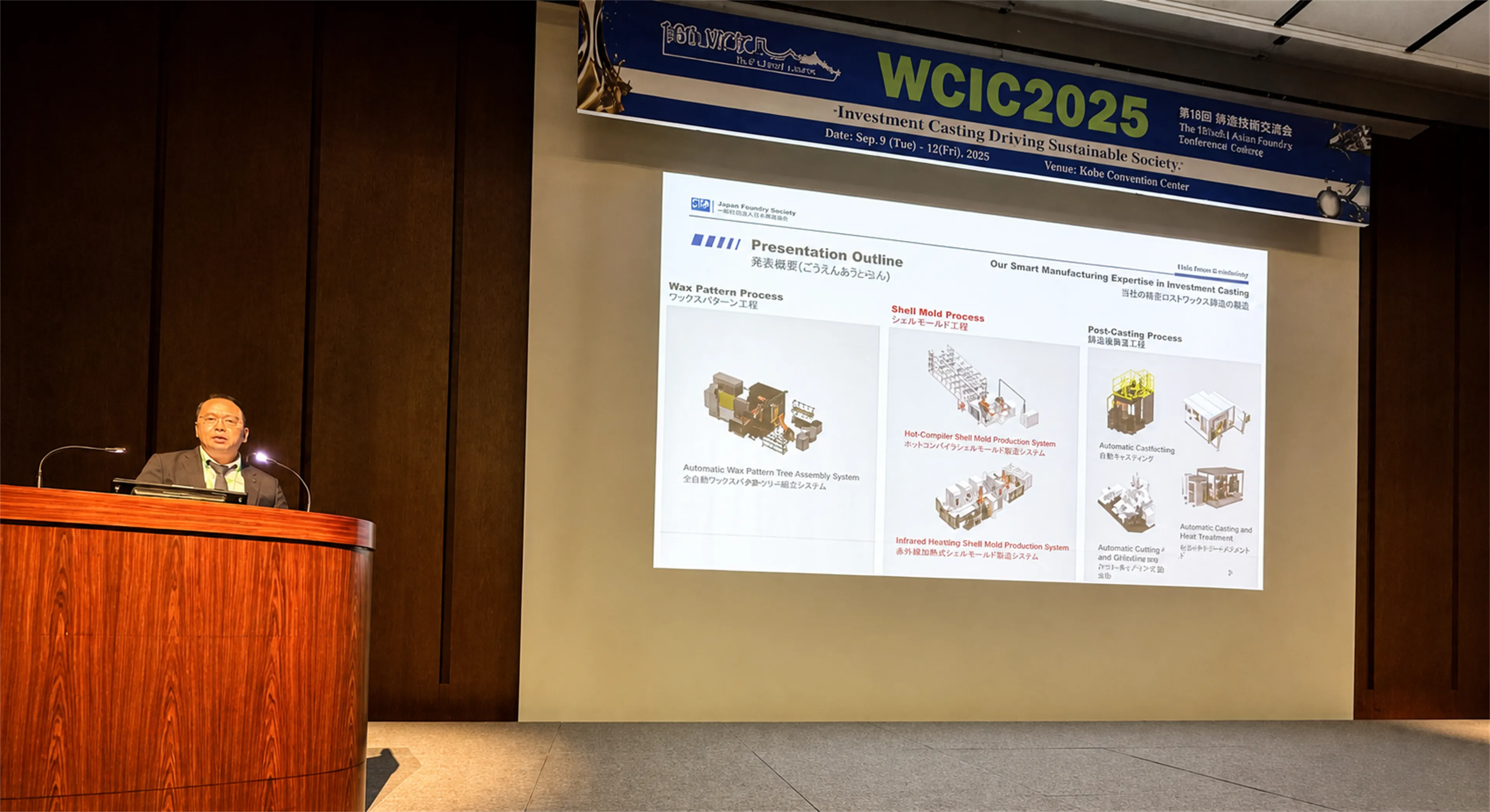
DS precision casting automation technology was presented at WCIC 2025 (World Precision Casting Conference), showcasing comprehensive automation solutions from wax pattern assembly, shell mold processes to post-casting processing, demonstrating DS's technical expertise in precision casting smart manufacturing, automation equipment, and process engineering integration.
DS precision casting automation solutions are widely applied in high-end precision manufacturing fields, including aerospace structural components, AI server water-cooled system components, and low-orbit satellite related assemblies and other high-reliability industries. Through stable wax pattern processes, shell mold processes, and post-casting automation technology, casting quality consistency and process stability can be ensured while meeting industry requirements for high precision, high strength, and long-term reliability.
Integrating wax pattern, shell mold, pouring, and post-casting processes, combining automation, process management, and quality traceability to build a highly stable, high-yield, and predictable smart precision casting production line.
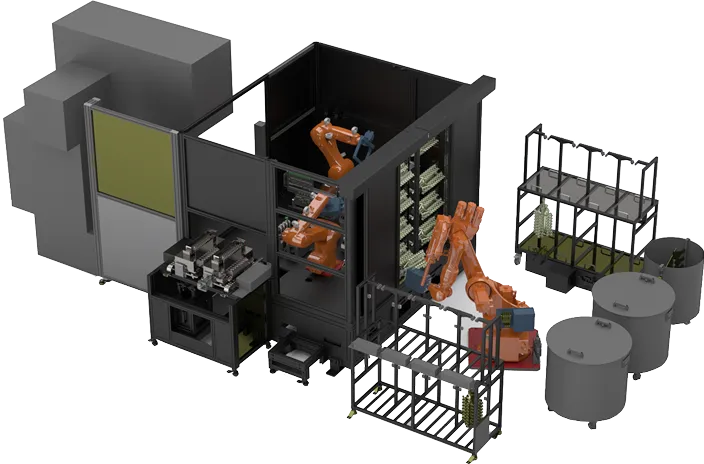
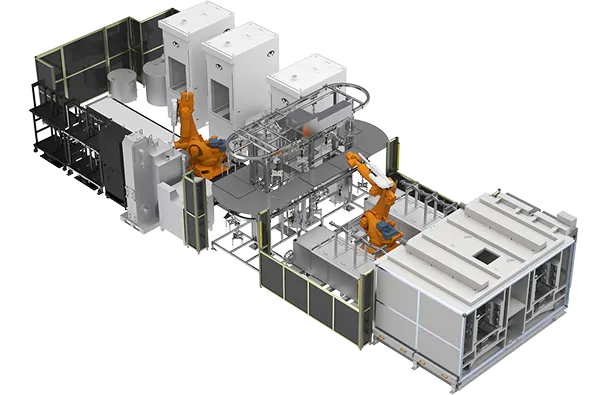
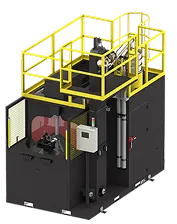
Automated wax pattern tree assembly establishes a standardized, repeatable, and traceable upstream casting process, reducing manual variation and casting defects while improving yield, quality stability, and automated mass production capability.
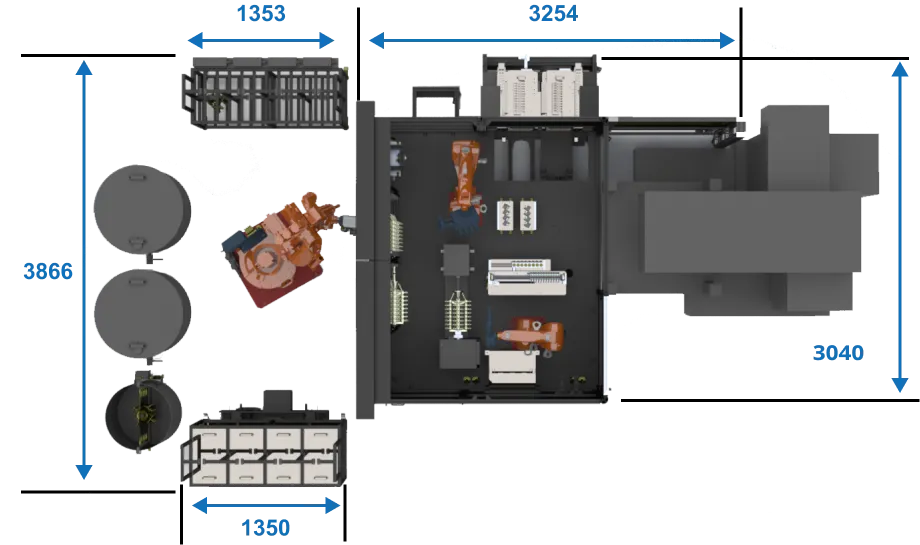
DS provides automatic wax pattern tree assembly equipment that uses robots and custom fixtures to automatically complete wax pattern positioning, assembly, and fixing operations, establishing a standardized, repeatable, and traceable upstream casting process.
The system reduces manual operation errors, ensures wax pattern alignment precision and structural stability, effectively reducing casting defects and improving yield and mass production consistency, while providing a stable process foundation for subsequent shell mold processes.
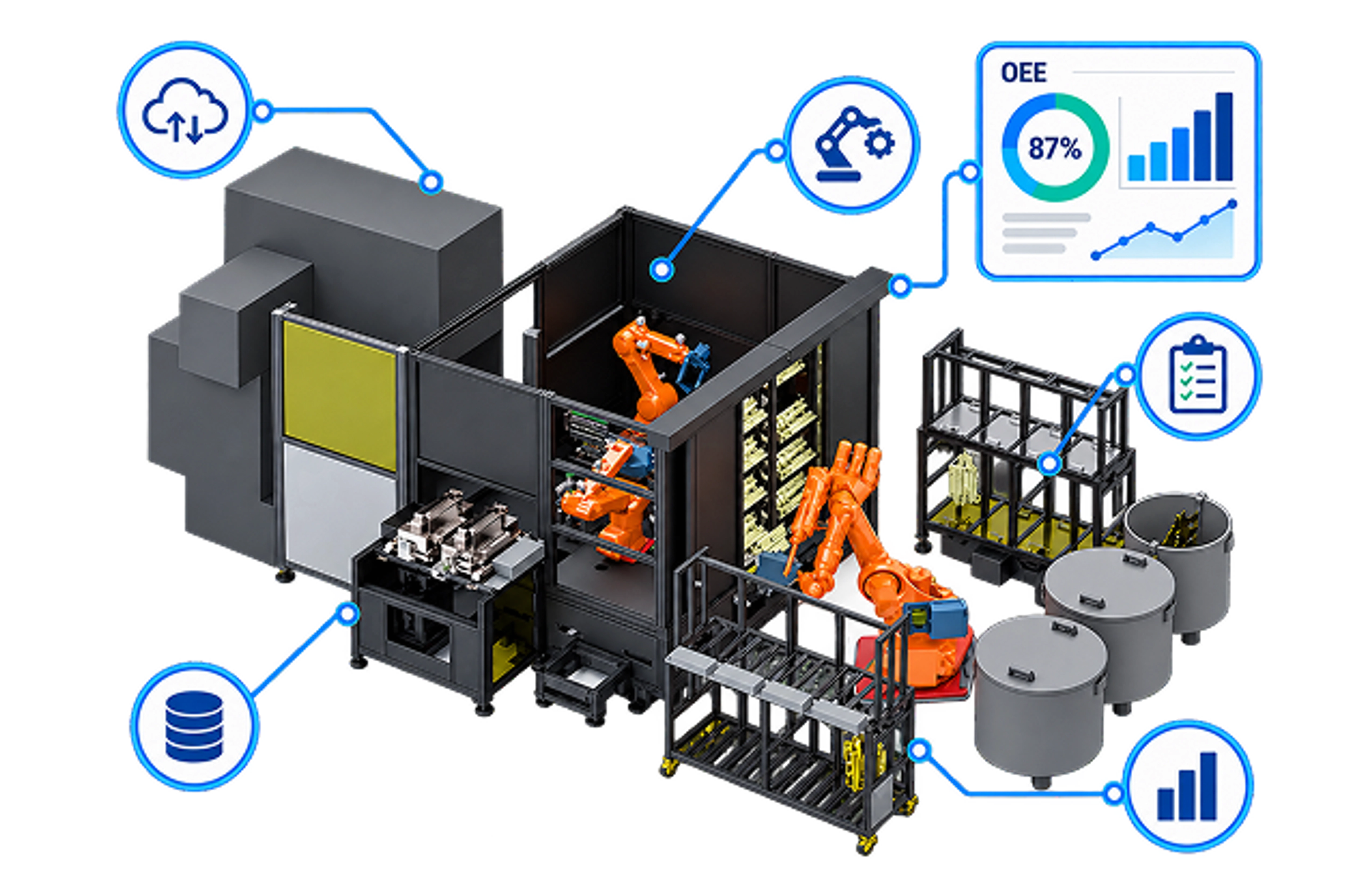
Standardized Wax Tree Structure
CAE Casting Simulation Optimization
Reduced Casting Defect Risk
Tree Assembly Consistency and Process Traceability
Connects to Downstream Automated Processes
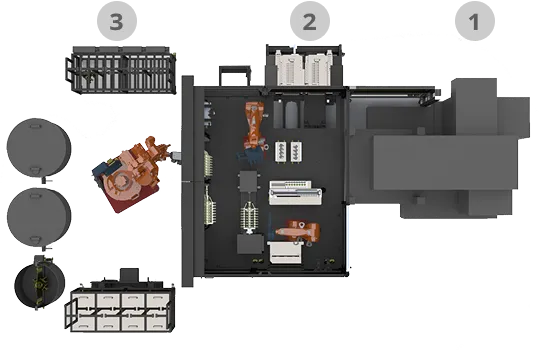
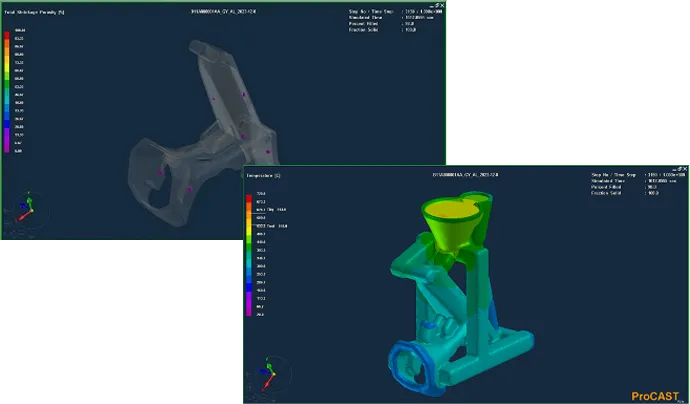
Using CAE casting simulation tools such as ProCAST, analyzes filling, solidification, heat transfer, and stress changes, helping optimize the gating system and process parameters, reducing risks of shrinkage cavities, porosity, deformation, and hot cracking defects.
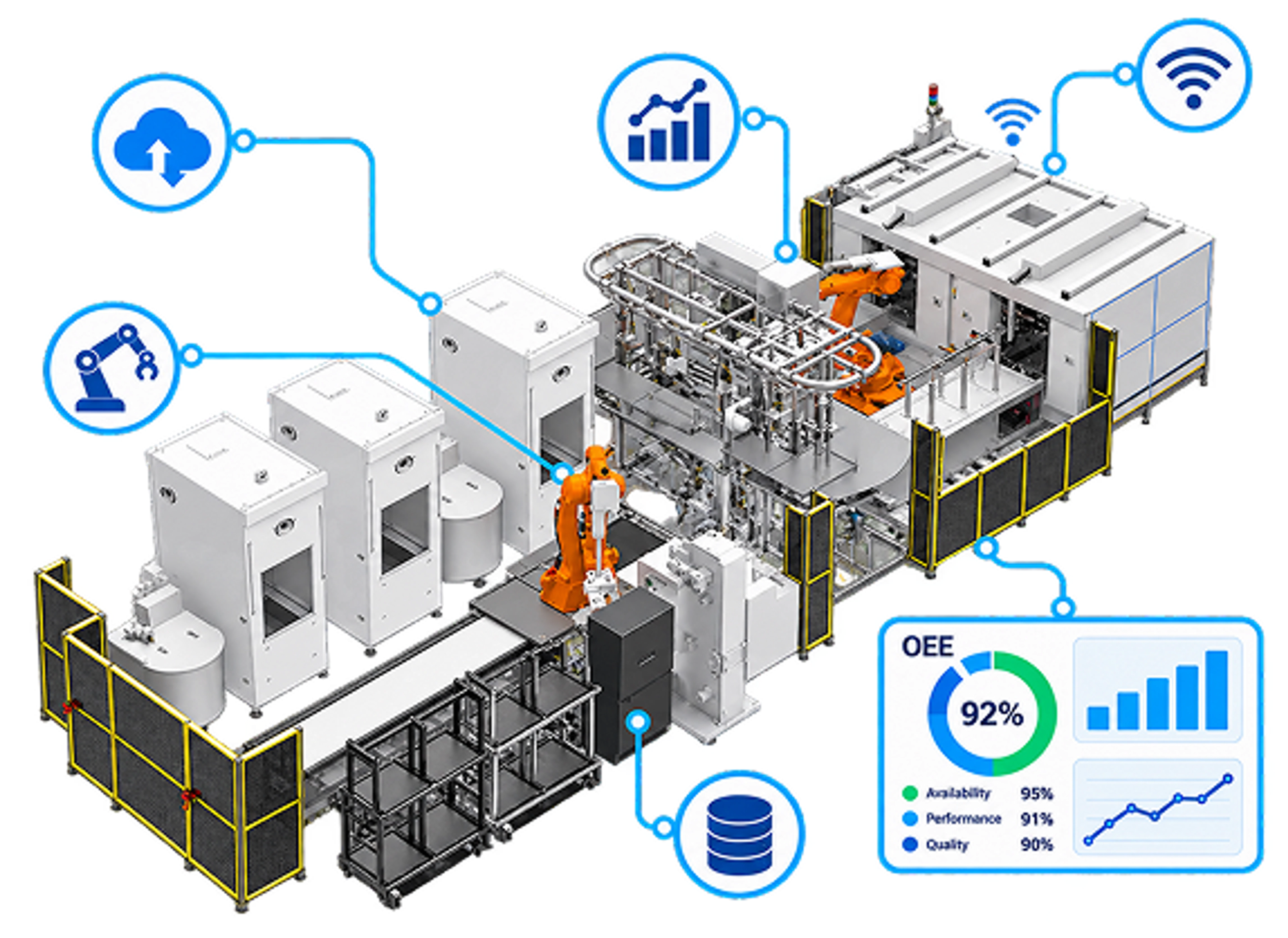
DS Technology integrates automatic dipping, sanding, material handling, and formulated drying control to establish a stable and repeatable precision casting ceramic shell process for both prototyping and mass production needs.
Mass Production Shell Mold Rapid Drying System
Stabilizes shell mold drying quality and improves capacity, building an efficient precision casting production line.
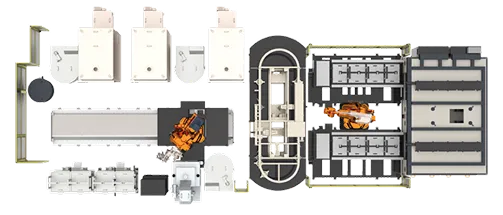
Infrared Rapid Shell Mold Drying System
Shortens shell mold drying time, accelerating high-end precision casting development and process validation.
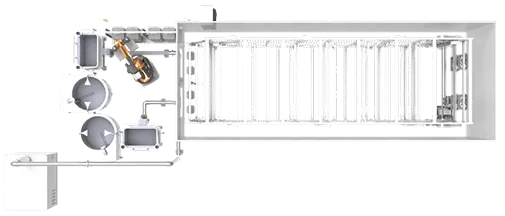
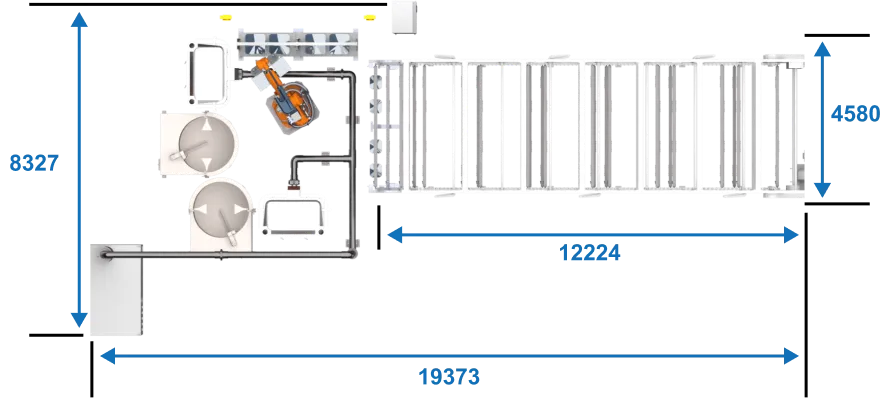
Integrating dipping, draining, sanding, handling, and inter-layer drying processes to establish a stable and expandable mass production shell mold line, accelerating production takt time, shell mold consistency, and process traceability.
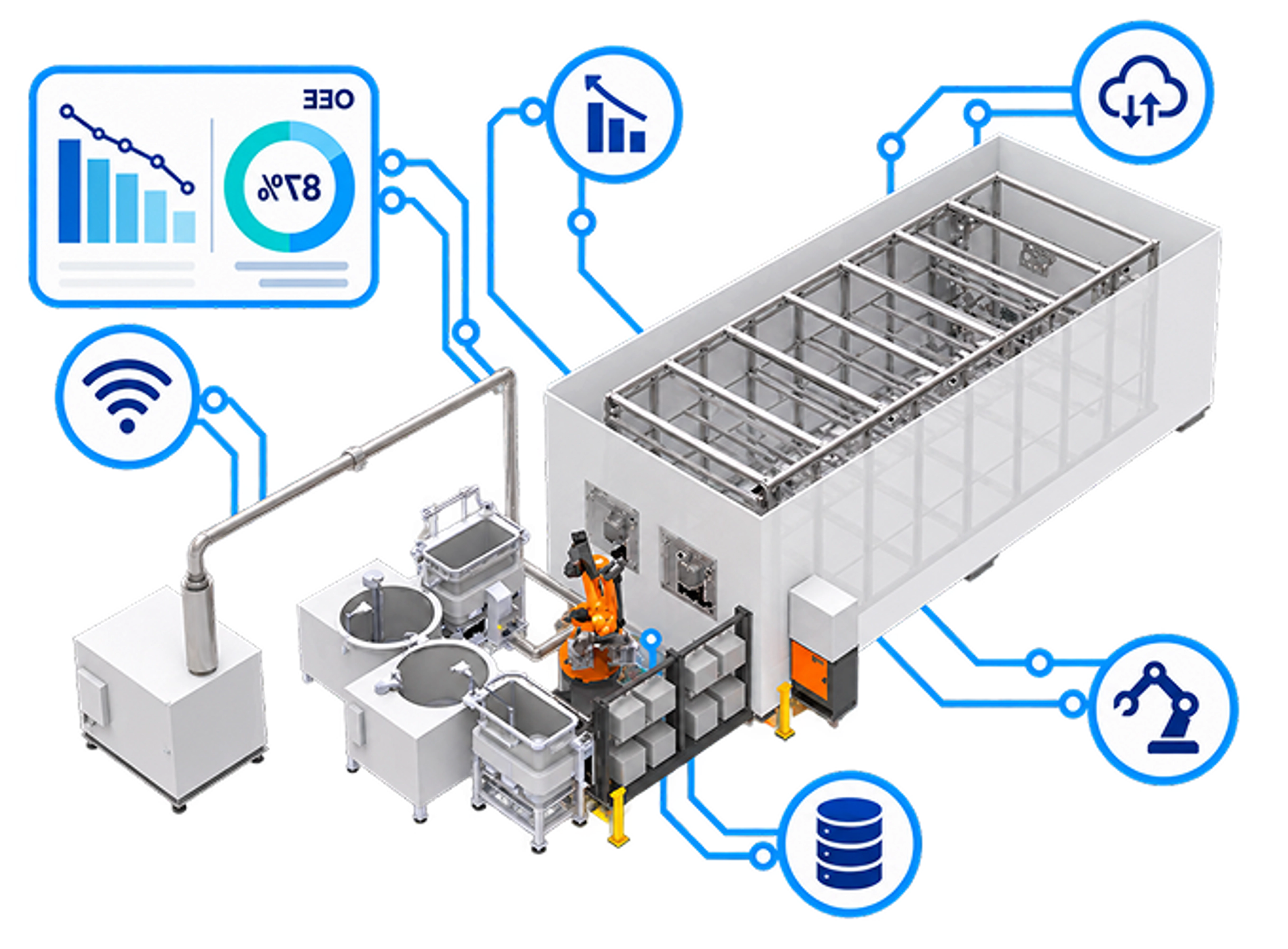
RFID Smart Process Tracking
Automatic Dipping and Sanding
Rapid Prototype Drying
Flexible Rod Conveyor System
Improve Shell Mold Quality and Casting Yield Rate
Continuous Mass Production Shelling
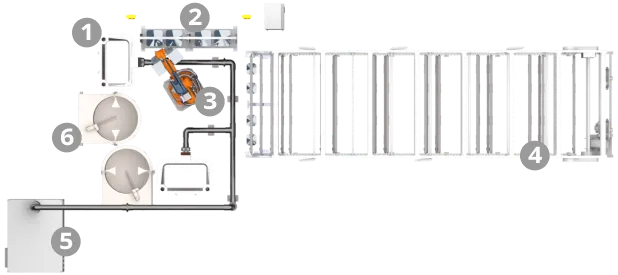
Integrating automatic dipping and sanding, rod-type flexible conveyor drying, and intelligent process control to ensure stable shell mold quality.
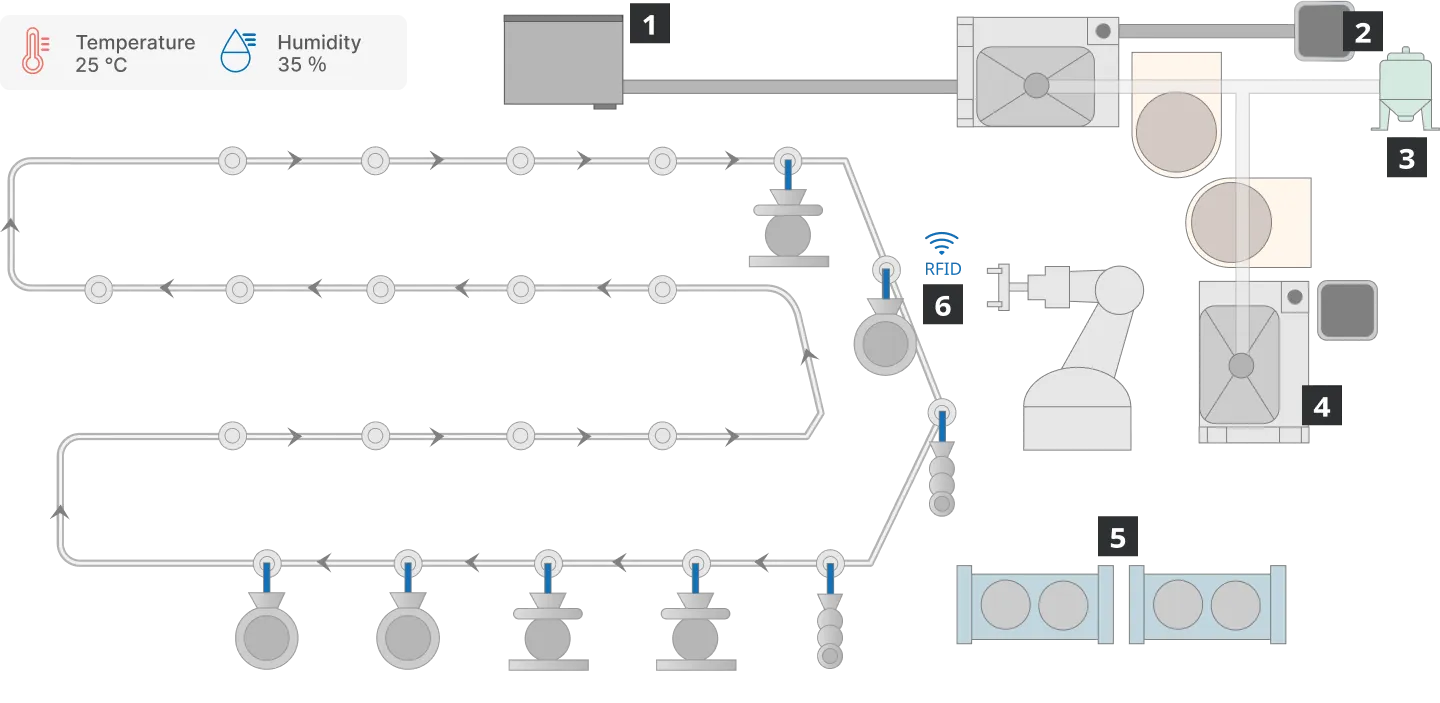
Variable Frequency Fan System
Intelligent Dust Collection System
Variable Frequency Slurry Tank System
Fluidized Sand Bed Tank (Automatic Sand Replenishment and Filtration System)
Automatic Loading and Unloading Stations
Rod-Type Flexible Conveyor System (Integrated RFID Tracking)
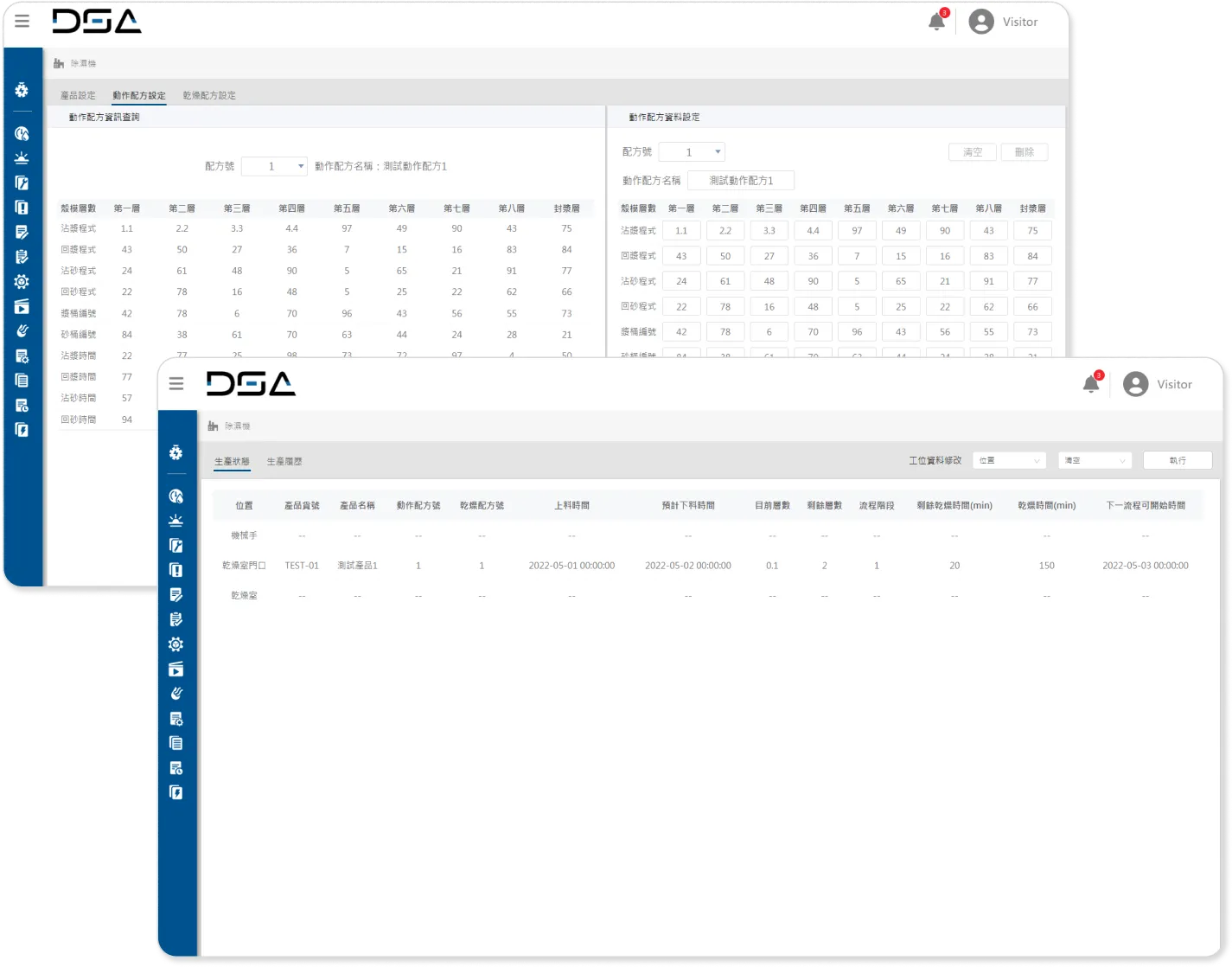
Both the mass production automatic shell molding system and the infrared rapid drying system can integrate with the DS SmartCore™ smart manufacturing platform, linking RFID process tracking, equipment connectivity, environmental monitoring, production scheduling, and quality data to establish a transparent, traceable, and continuously improvable smart shell molding management system.
Process and Product Traceability
Process and Material Data Logging
Automated Shell Building and Drying Control
Equipment and Energy Monitoring
Capacity Planning and Scheduling
Yield Improvement and Data Integration
Process Analysis and Continuous Improvement

Each conveyor rod configured with RFID tags collecting process data

Transmitting data back to management system through RFID wireless transmission

Integrating data to achieve transparent and intelligent management
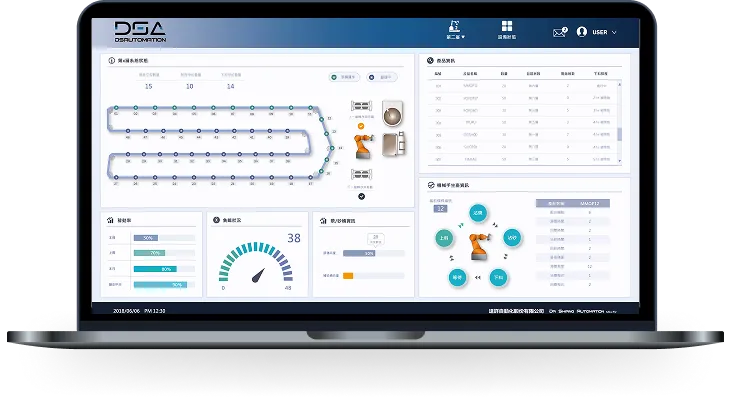
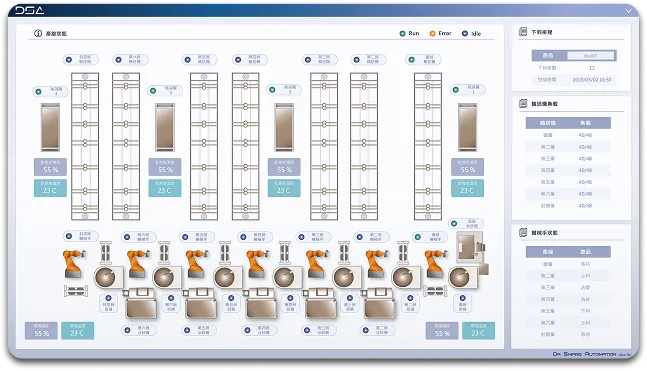
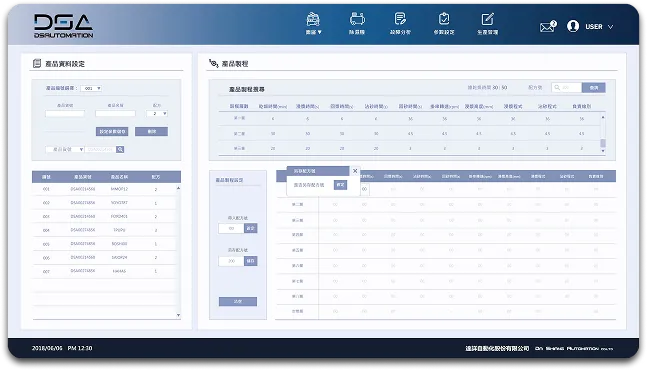
Integrating infrared drying, airflow, and environmental control to shorten inter-layer shell mold drying time while maintaining quality stability.
Under applicable conditions, drying can be completed in as fast as approximately 6 hours, supporting 7-14 day rapid prototyping and sample delivery for precision castings.
The core of infrared fast drying technology is not only in reducing drying time, but more importantly in accelerating precision casting process development while maintaining shell mold quality and dimensional stability.
Through precise control of temperature, humidity, and airflow conditions, surface hardening, internal stress, and crack problems caused by rapid drying can be effectively avoided, ensuring shell mold structure and dimensional consistency.
The system can reduce drying time for multi-layer shell molds to approximately 6 hours, enabling engineering teams to quickly complete tree design, process parameter adjustments, and defect analysis, significantly reducing product development cycles and supporting 7-day rapid prototype sampling and delivery.
This technology is particularly suitable for applications such as AI server liquid cooling modules, low-orbit satellites, aerospace, and energy generation equipment.
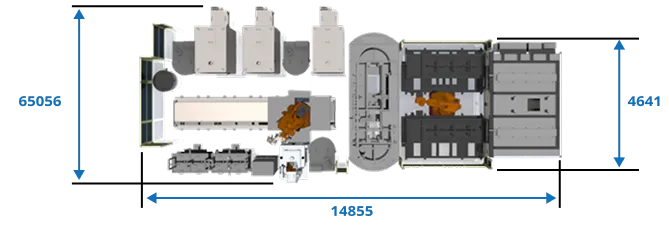
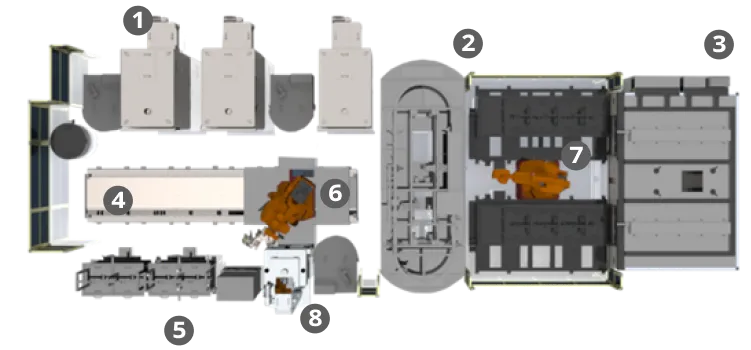
6-Hour Shell Drying for 7-Day Prototype Delivery
High-Quality Rapid Prototyping
Accelerated Tree Design and Process Optimization
Stable Shell Quality and Dimensional Accuracy
High-Efficiency Drying Chamber
Designed for Advanced Casting Applications
Optional: Automatic Replenishment System
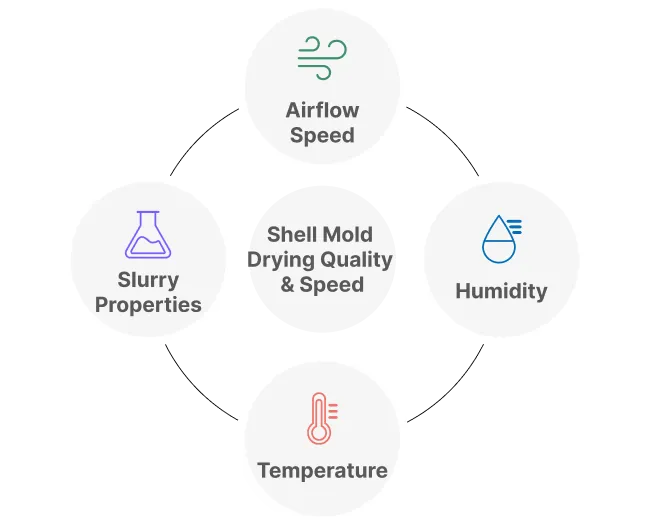
Shell mold drying quality and drying speed are mainly affected by four key factors: humidity, temperature, airflow speed, and slurry characteristics.
Traditional precision casting processes typically perform drying at approximately 24°C, 45–60% humidity, and low airflow conditions, with overall drying times typically requiring 50 hours to 6 days.
DS Technology has successfully reduced shell mold drying time to approximately 6 hours by optimizing temperature control, humidity management, airflow speed, and slurry formulations while maintaining stable shell mold quality and dimensional precision.
This technology has operated stably in mass production environments for over 15 years and has been successfully applied to multiple high-end precision casting products.
Additionally, we provide process optimization and technical consulting services to help customers establish stable and efficient shell molding and drying processes.

May cause

May cause

May cause
DS Technology employs scientific process optimization methods, using infrared heating to compensate for cooling effects caused by rapid evaporation and combining slurry formula optimization with key process parameter control to establish repeatable and stable shell mold drying conditions.
Through systematic experimentation and data analysis, not only can drying time be effectively reduced, but shell molds can avoid cracking or internal stress problems during rapid drying processes, ensuring stable shell mold quality and dimensional precision while improving overall process reliability and production efficiency.
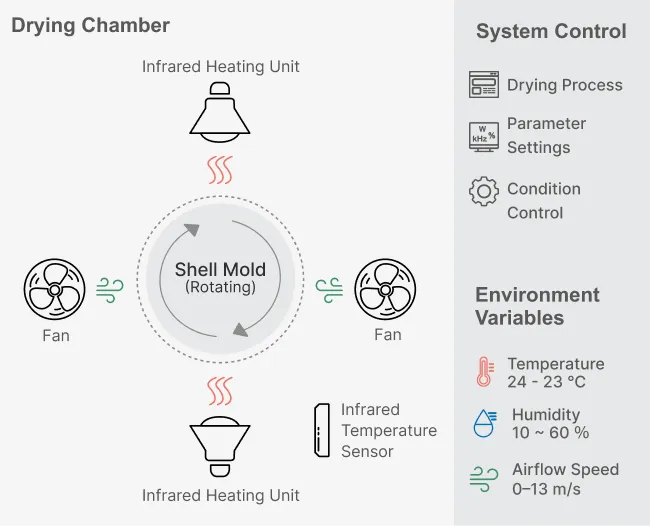
Multiple Infrared Heating Modules
Temperature and Humidity Intelligent Control System
Adjustable Airflow Distribution Design
Self-Rotating Hook Mechanism
Process Data Recording and Analysis
Shell Mold Dimensional Distribution Comparison
Infrared Fast Drying vs. Traditional Drying
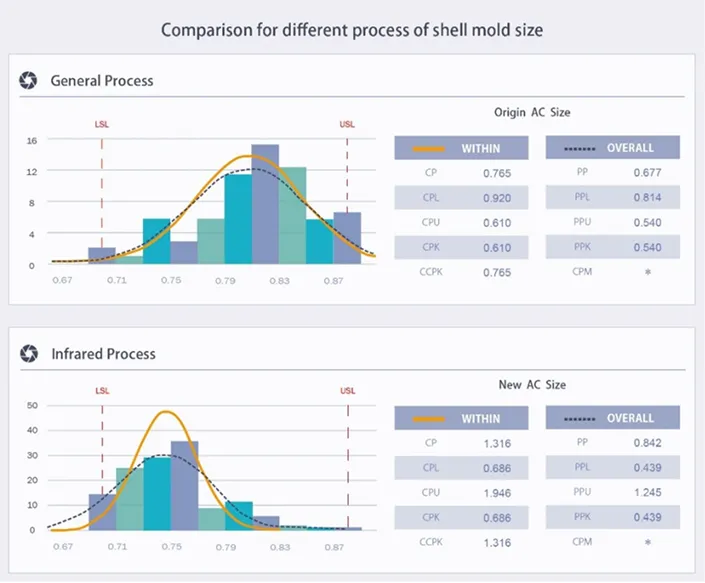
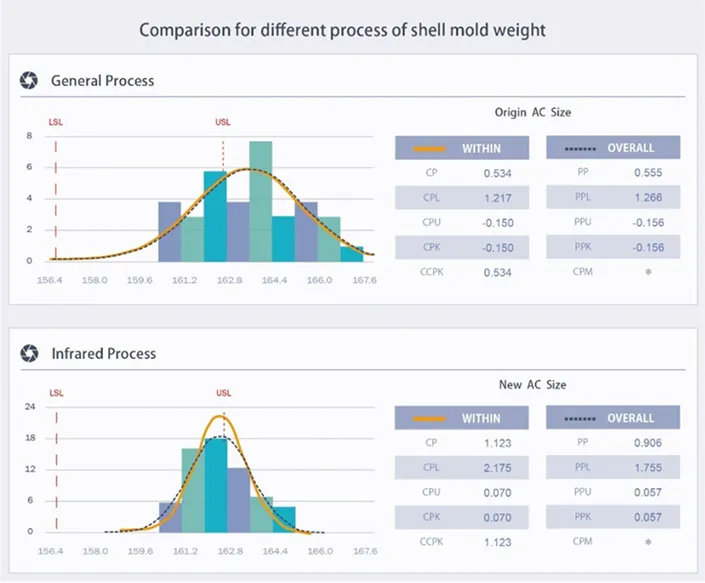
Statistical analysis shows that with the infrared fast drying process, shell mold dimensional Cp improved from 0.765 to 1.316 and weight Cp improved from 0.534 to 1.123, with process variation significantly reduced. Even with drying time substantially shortened, stable dimensional precision and weight consistency can be maintained. Combined with process centering adjustments and continuous data monitoring, mass production quality and yield performance can be further strengthened.
Integrating part removal, mold spraying, cutting, and automatic conveying processes to establish a highly synchronized, stable, and scalable die casting automation process, improving capacity, quality consistency, and operational safety.
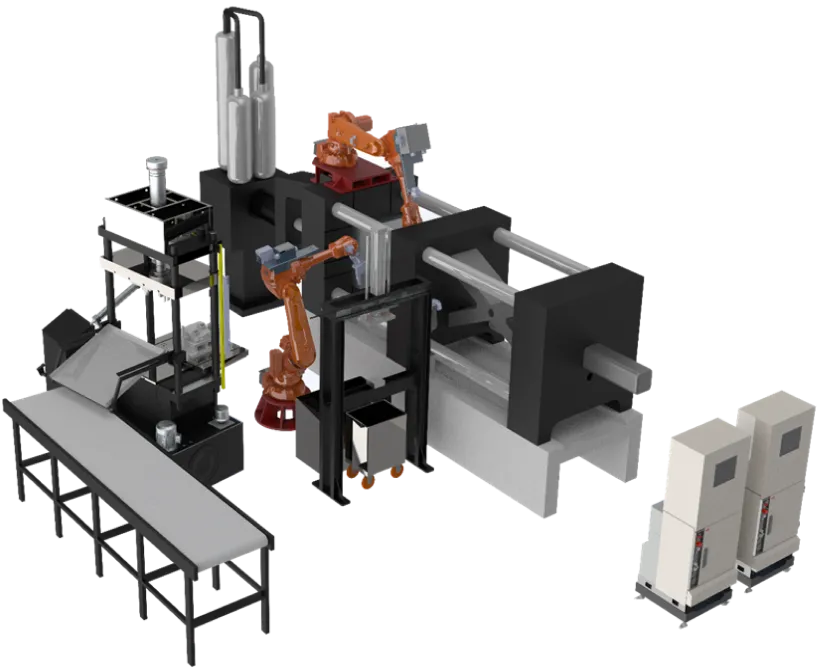
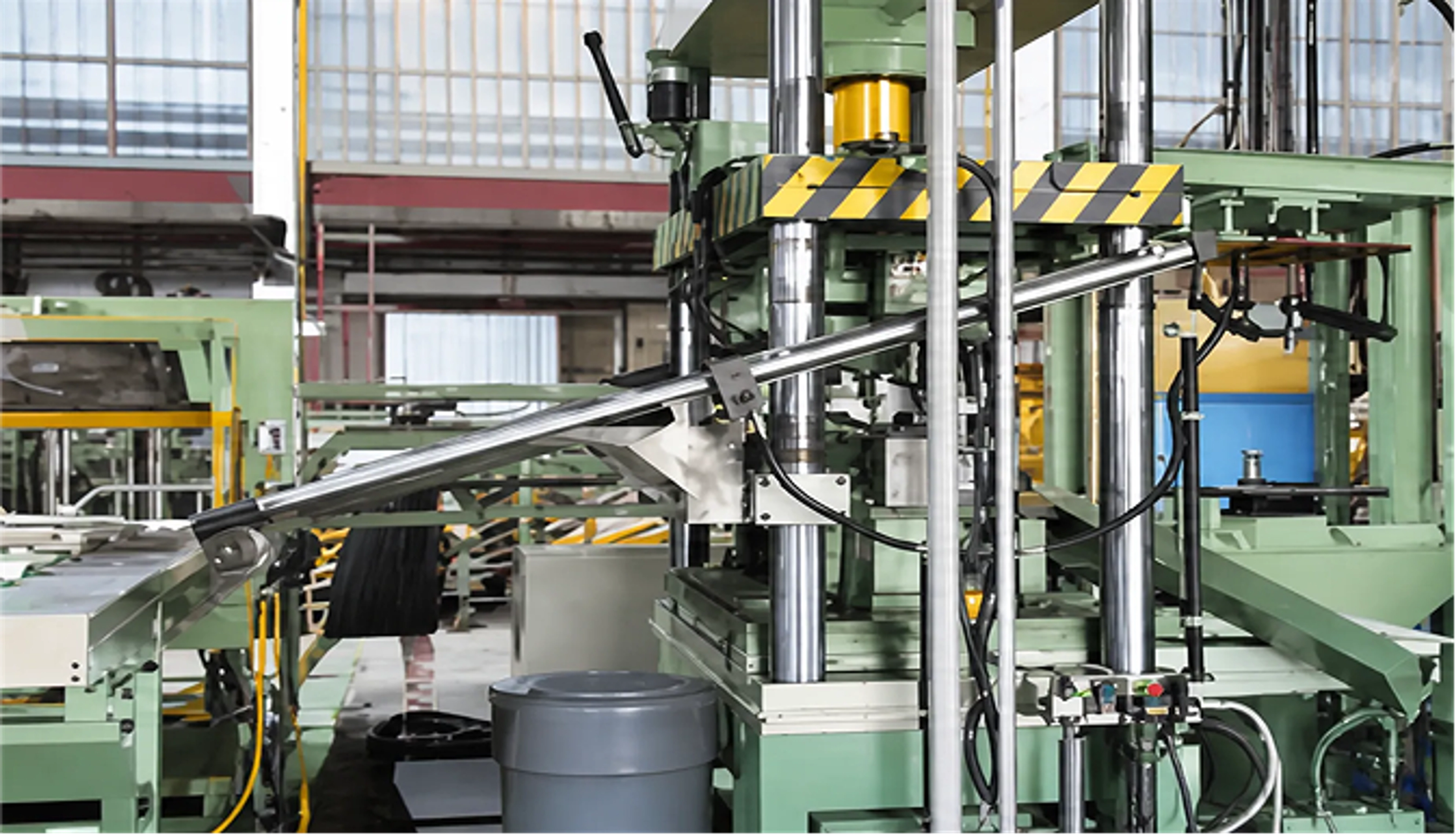
Integrated Die Casting Process Automation
Stable Takt Time and Equipment Utilization
Stable and Repeatable Mold Spraying
Safe Handling of High-Temperature Workpieces
Flexible and Traceable Production
Integrating the die casting machine, pickup robot, spray robot, and peripheral equipment, completing casting removal, mold confirmation, release agent spraying, and process handoff according to the die casting cycle, establishing a stable and highly synchronized automated production process.
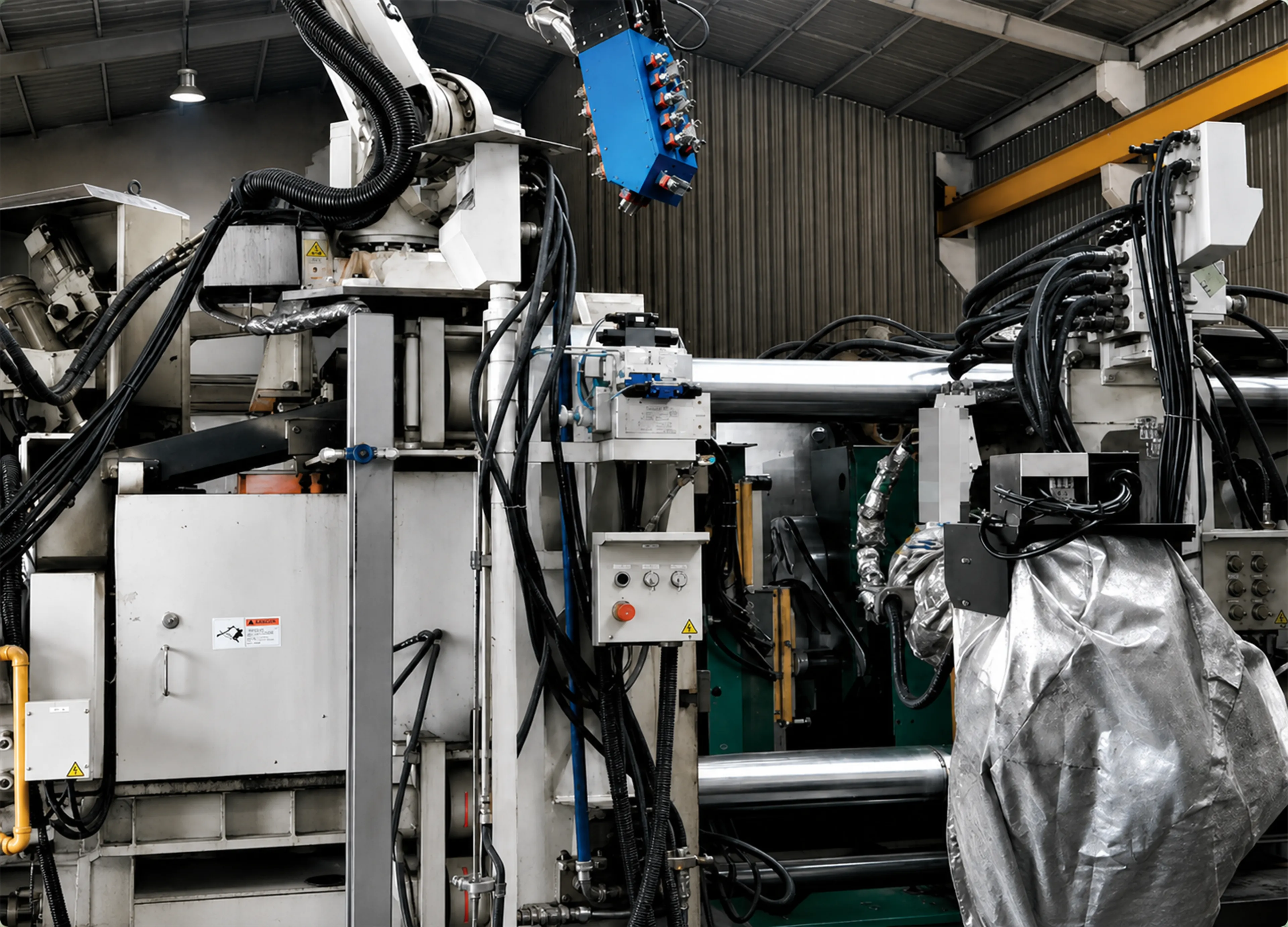
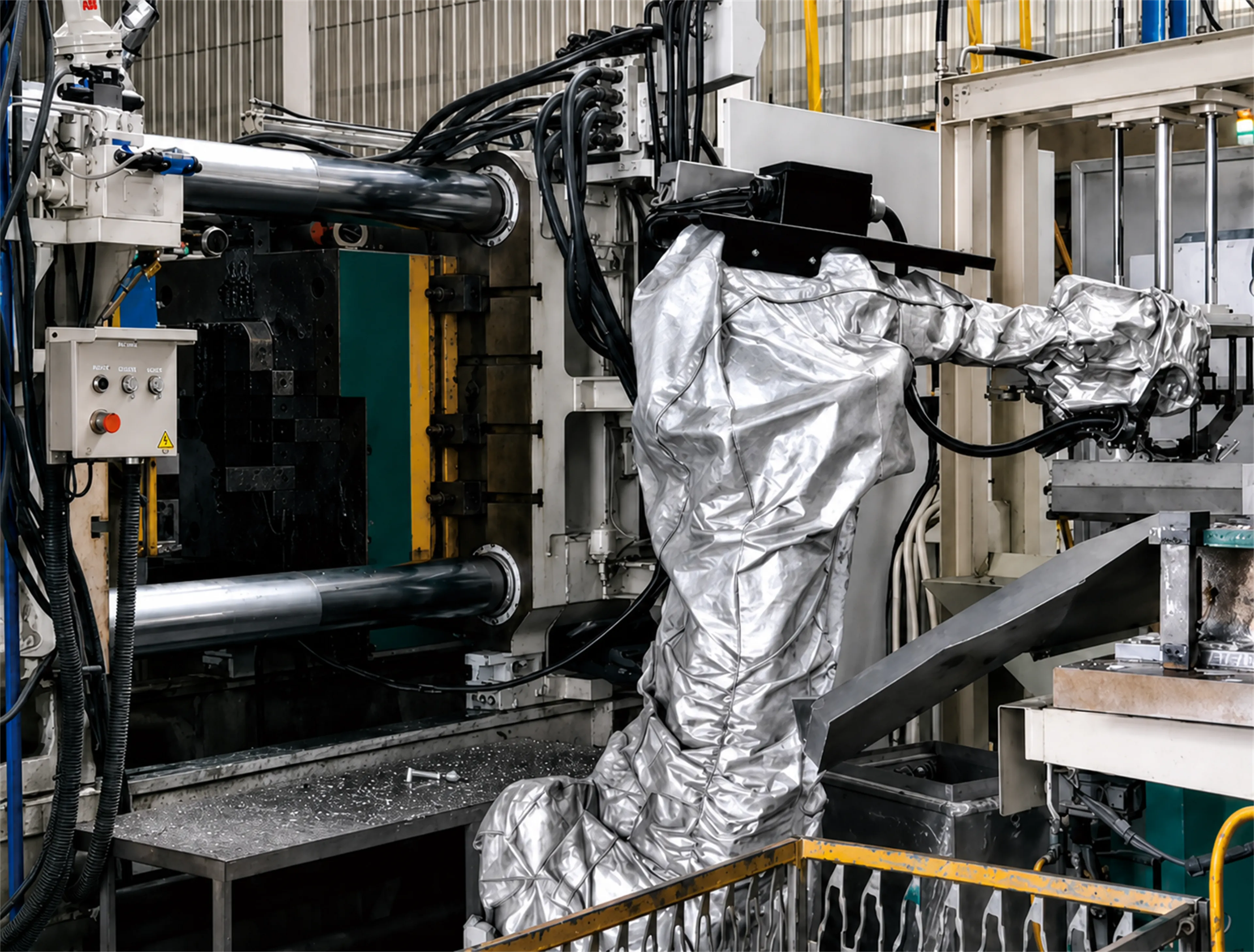
Integrating cooling, conveying, cutting, gate separation, and scrap recovery processes to automatically transfer high-temperature castings to downstream processes, establishing a continuous and standardized die casting post-treatment unit.
Integrating deburring, sawing, grinding, CNC machining, visual inspection, and the DS SmartCore™ smart manufacturing platform, establishing a complete production process from die casting molding to downstream machining and quality traceability.
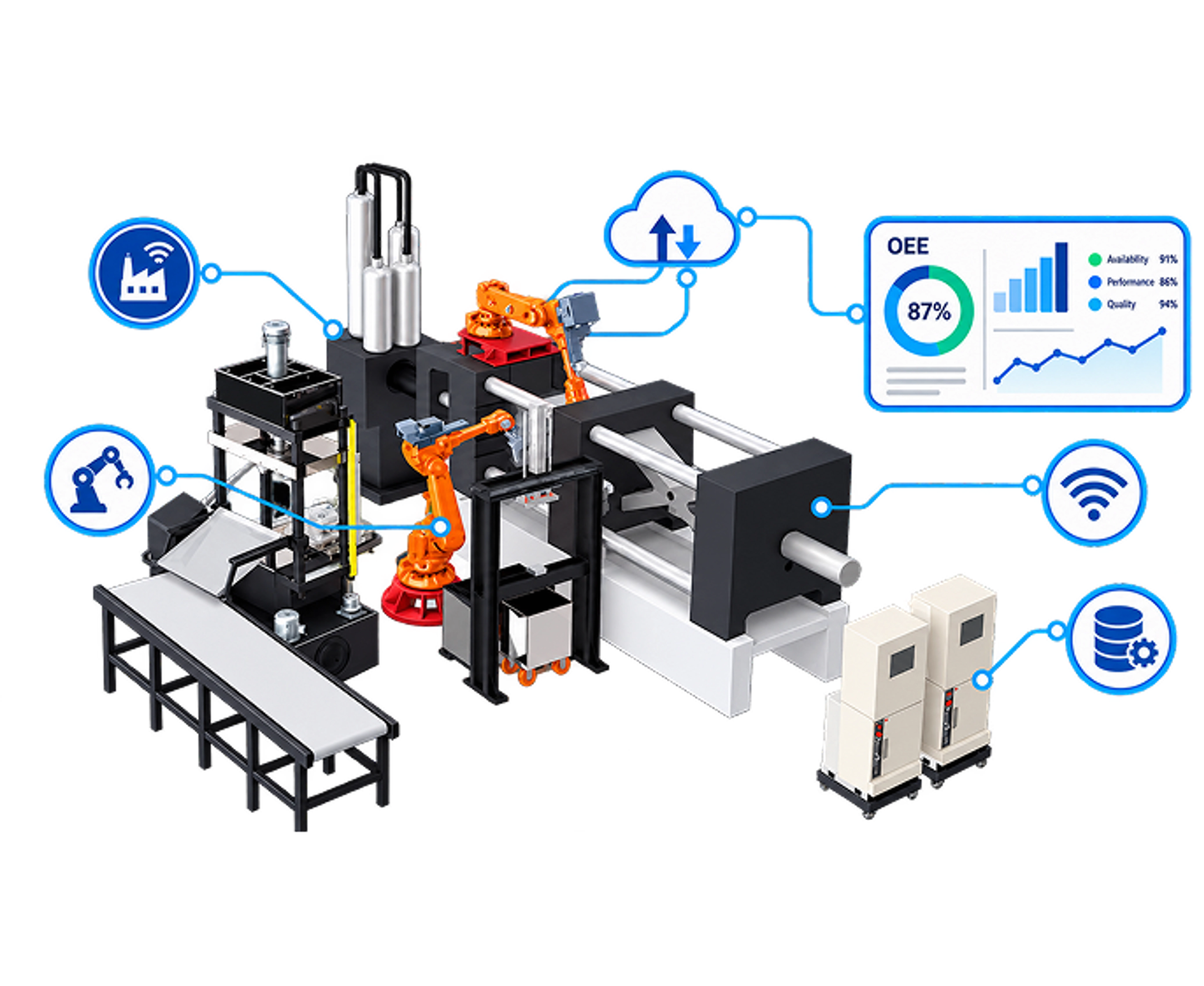
DS Technology integrates melting and holding furnaces, quantitative pouring, mold operation, cooling, part removal, and automated logistics to build a synchronized gravity casting system, stabilizing production takt time, maintaining casting quality consistency, improving equipment utilization, and reducing the risk of personnel exposure to high-temperature molten metal.
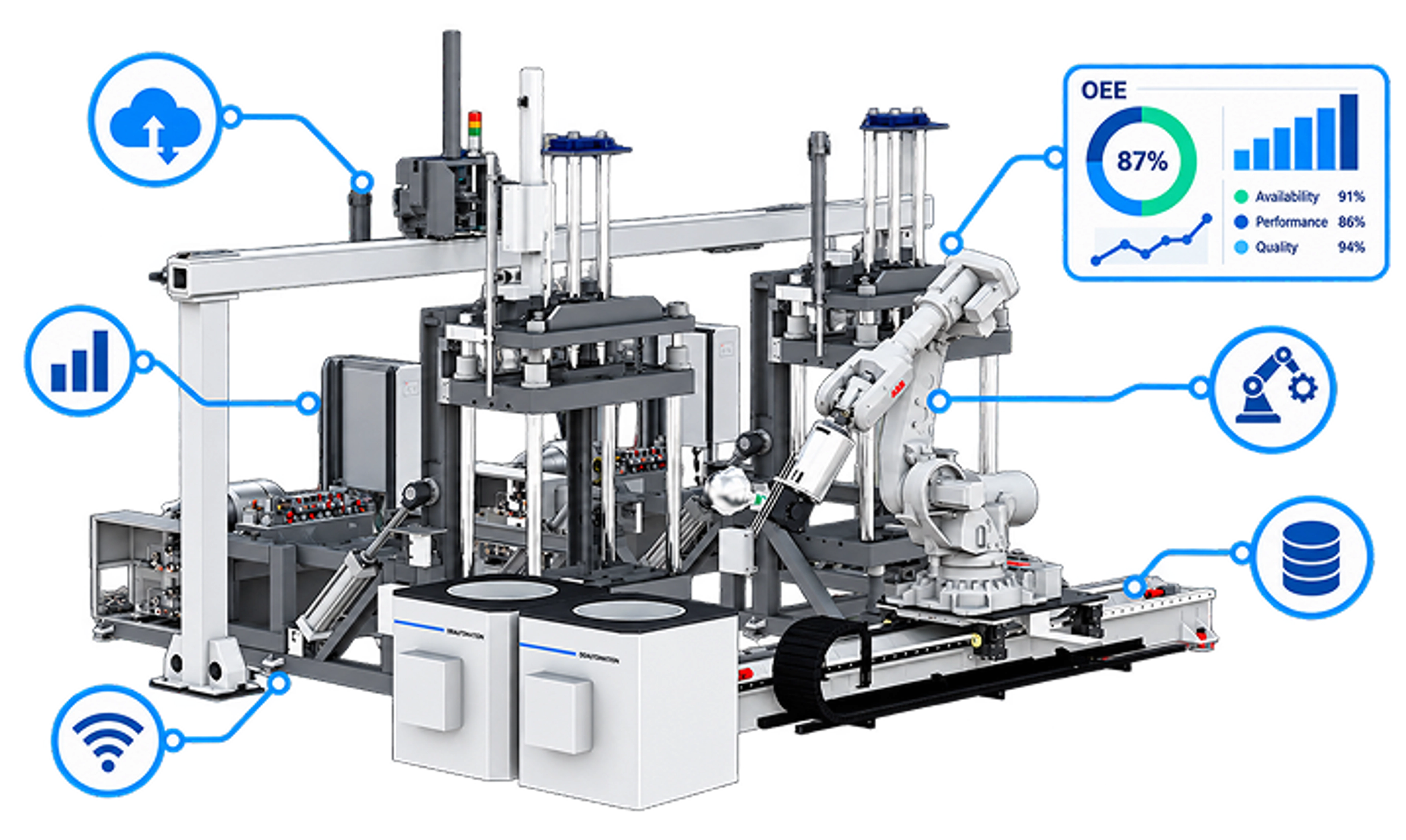
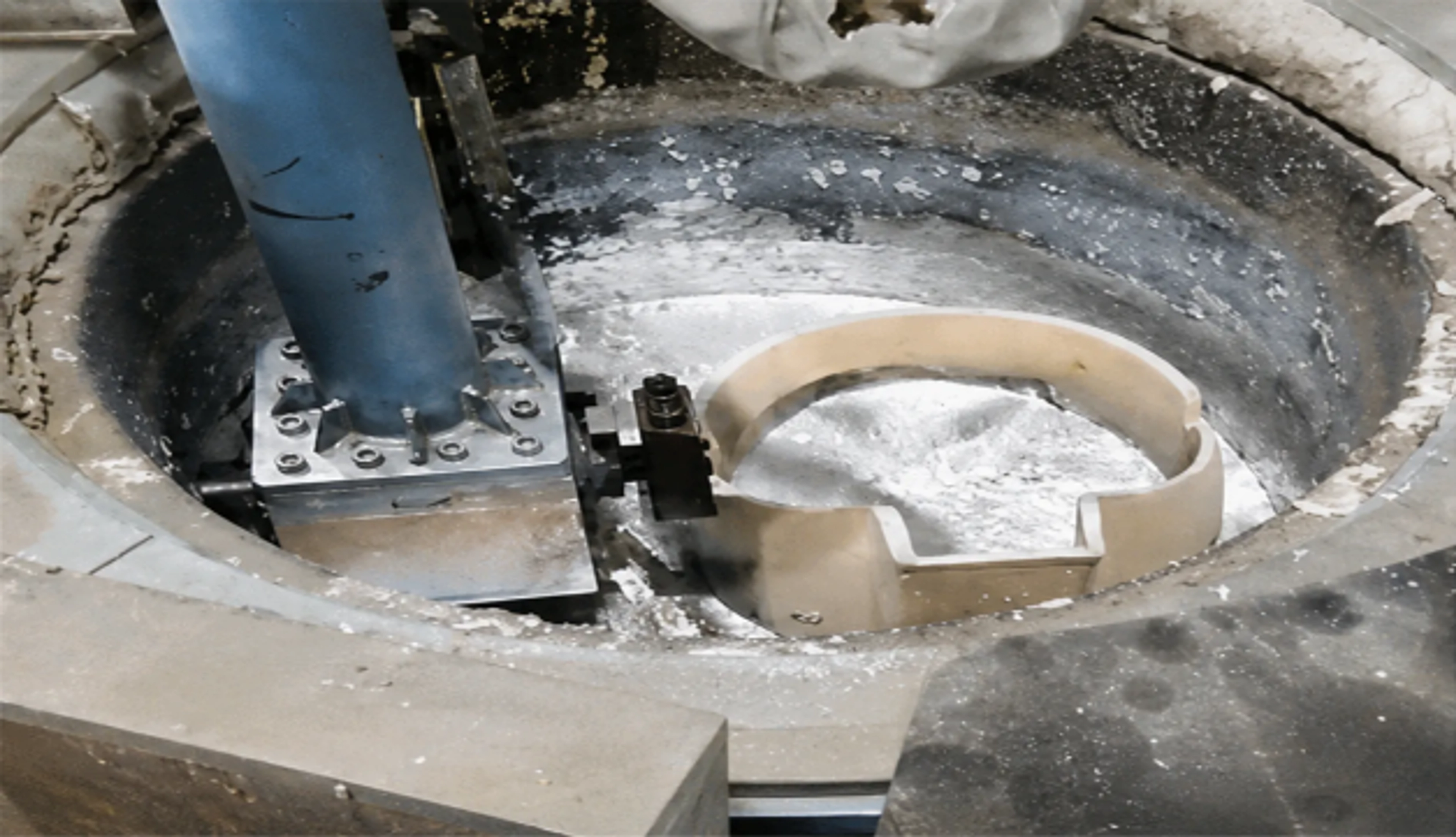
Integrated Gravity Casting Process
Quantitative Pouring and Parameter Control
Stable Takt Time and Casting Consistency
Safe Handling of High-Temperature Molten Metal
Scalable and Traceable Production
Integrating core making, coating, assembly, marking, and conveying processes to establish a highly consistent, traceable, and scalable automated cold-box sand casting line, supporting stable mass production and smart casting processes.
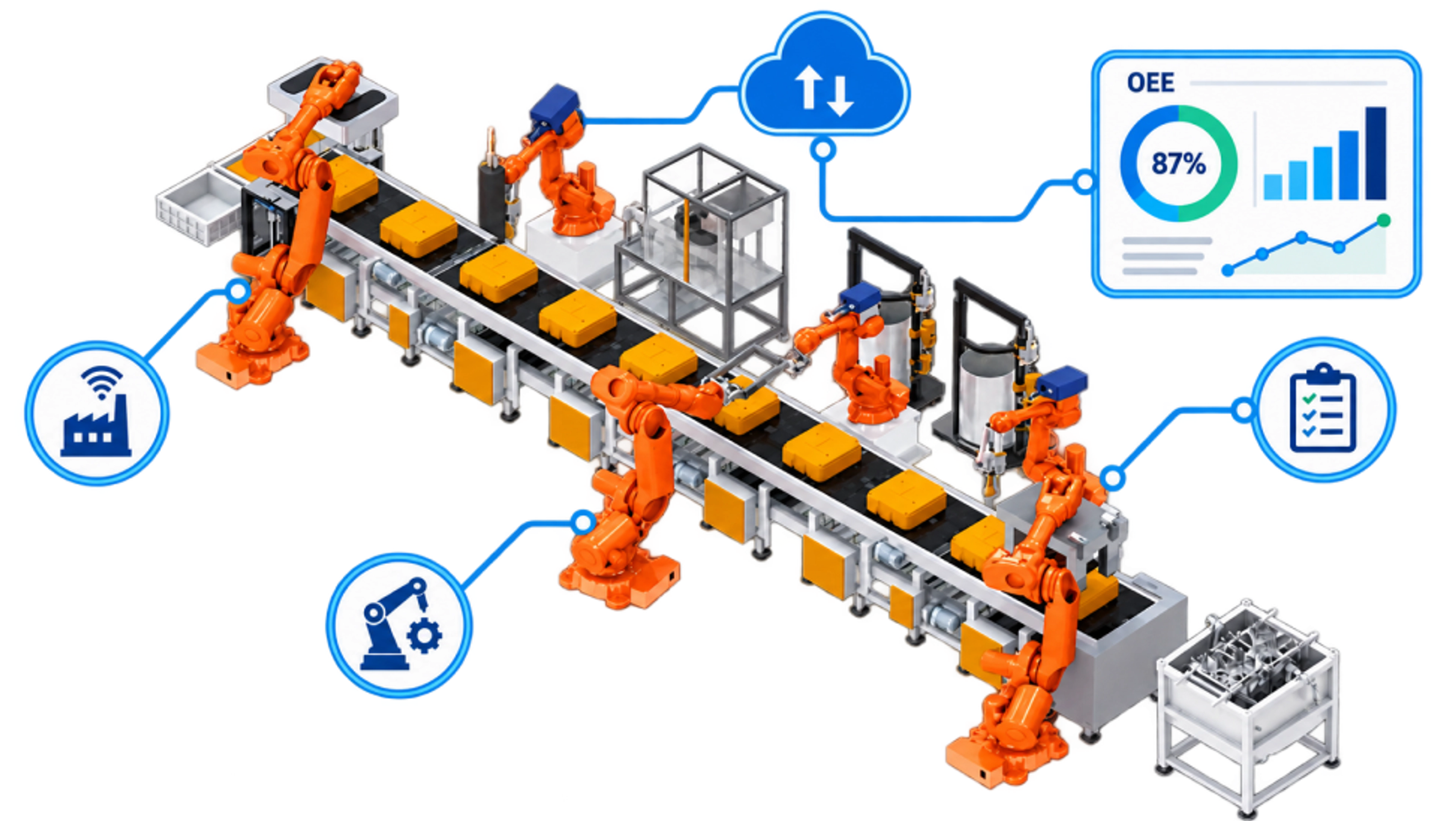
Automated External Sand Core Handling
Refractory Coating Dipping and Drying
Laser Engraving and Production Traceability
Manual Placement of Internal Sand Cores
Automatic Gluing, Mold Closing, and Screw Fastening